🌙Luna/Moon🌙

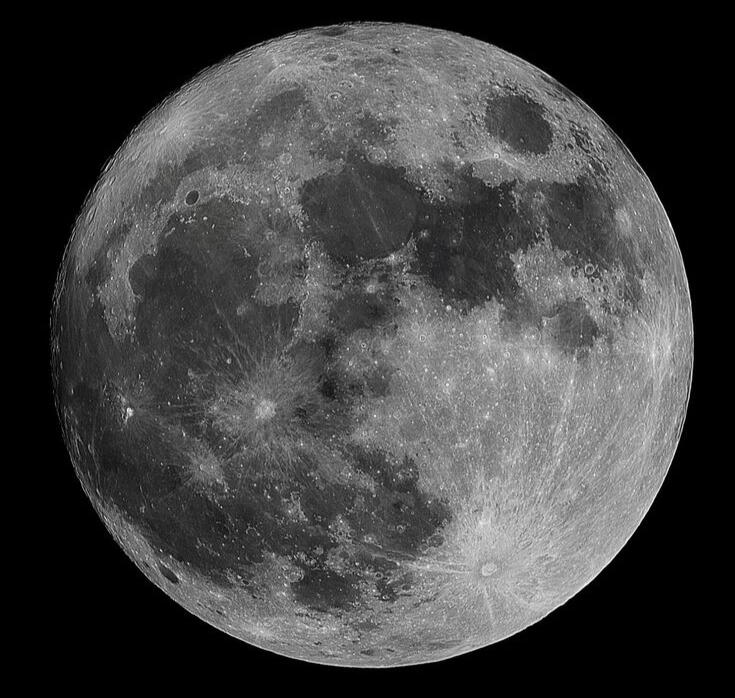
✦ MOON ✦
neutral
The Moon is Earth's only natural satellite. It orbits at an average distance of 384,400 km (238,900 mi), about 30 times the diameter of Earth. Tidal forces between Earth and the Moon have synchronized the Moon's orbital period (lunar month) with its rotation period (lunar day) at 29.5 Earth days, causing the same side of the Moon to always face Earth. The Moon's gravitational pull—and, to a lesser extent, the Sun's—are the main drivers of Earth's tides.Learn more about The Moon on Wikipedia
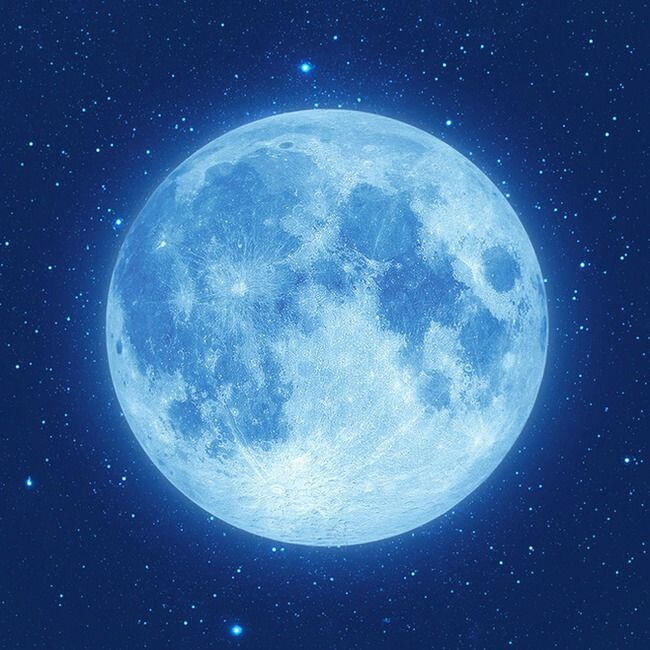
✦BLUE MOON✦
A blue moon refers either to the presence of a second full moon in a calendar month, to the third full moon in a season containing four, or to a moon that appears blue due to atmospheric effects.Learn more about The Blue Moon on Wikipedia
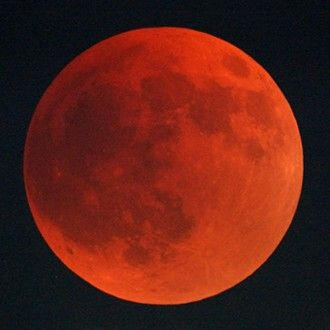
✦LUNAR ECLIPSE✦
A lunar eclipse is an astronomical event that occurs when the Moon moves into the Earth's shadow, causing the Moon to be darkened. Such an alignment occurs during an eclipse season, approximately every six months, during the full moon phase, when the Moon's orbital plane is closest to the plane of the Earth's orbit.Learn more about Lunar Eclipse in Wikipedia
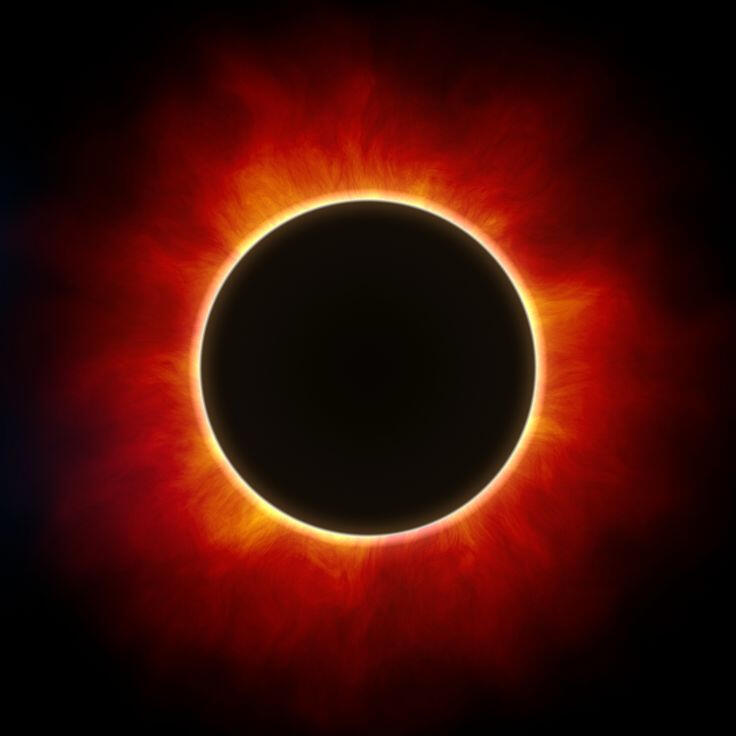
✦SOLAR ECLIPSE✦
A solar eclipse occurs when the Moon passes between Earth and the Sun, thereby obscuring the view of the Sun from a small part of Earth, totally or partially. Such an alignment occurs approximately every six months, during the eclipse season in its new moon phase, when the Moon's orbital plane is closest to the plane of Earth's orbit.[1] In a total eclipse, the disk of the Sun is fully obscured by the Moon. In partial and annular eclipses, only part of the Sun is obscured. Unlike a lunar eclipse, which may be viewed from anywhere on the night side of Earth, a solar eclipse can only be viewed from a relatively small area of the world. As such, although total solar eclipses occur somewhere on Earth every 18 months on average, they recur at any given place only once every 360 to 410 years.Learn more about The Solar Eclipse in Wikipedia
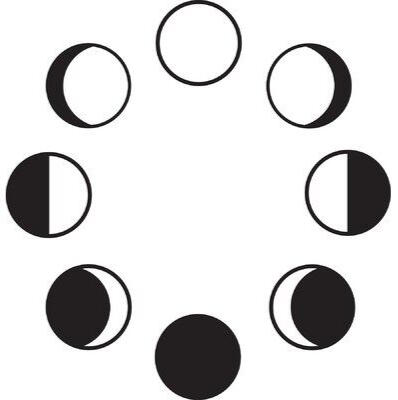
LUNAR PHASE
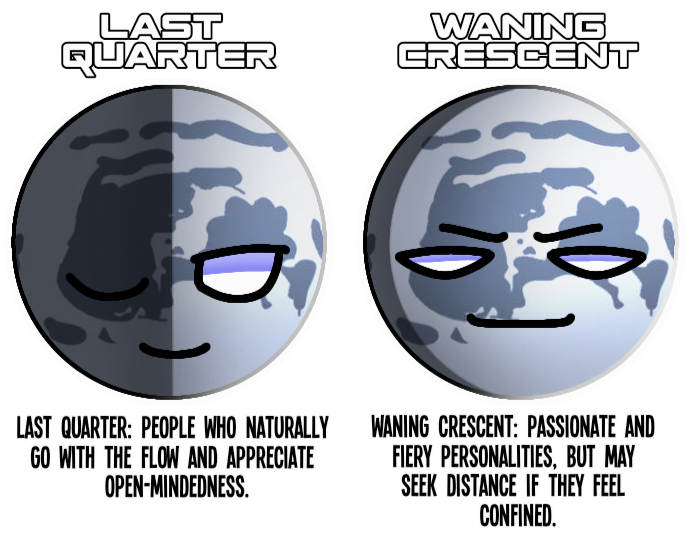
A lunar phase or Moon phase is the apparent shape of the Moon's directly sunlit portion as viewed from the Earth (because the Moon is tidally locked with the Earth, the same hemisphere is always facing the Earth). In common usage, the four major phases are the new moon, the first quarter, the full moon and the last quarter; the four minor phases are waxing crescent, waxing gibbous, waning gibbous, and waning crescent. A lunar month is the time between successive recurrences of the same phase: due to the eccentricity of the Moon's orbit, this duration is not perfectly constant but averages about 29.5 days.
Moon Phases Based On Your Personality
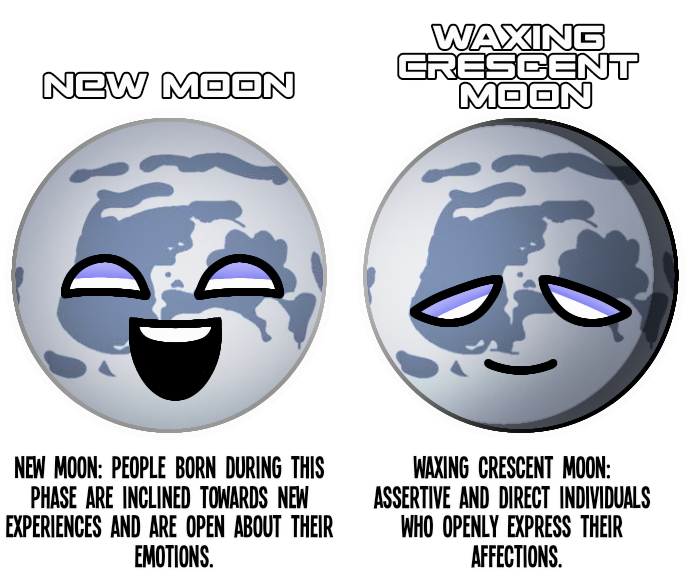
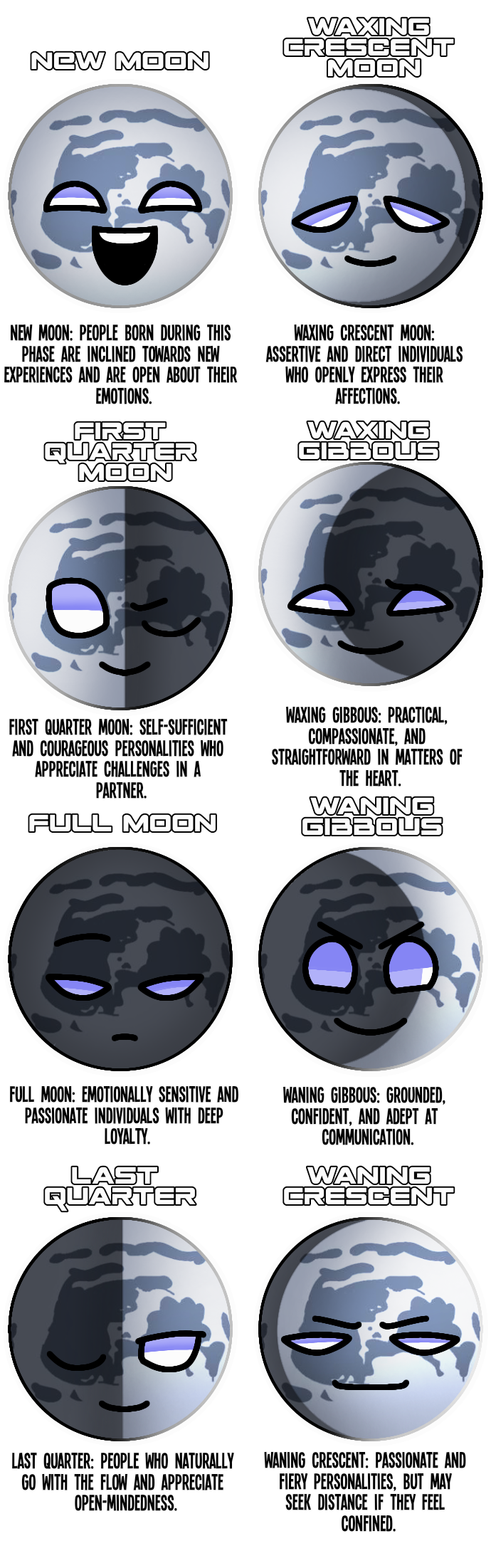
Learn more about Lunar Phases on Wikipedia